

Stainless Steel Wire Rope's Key Benefits
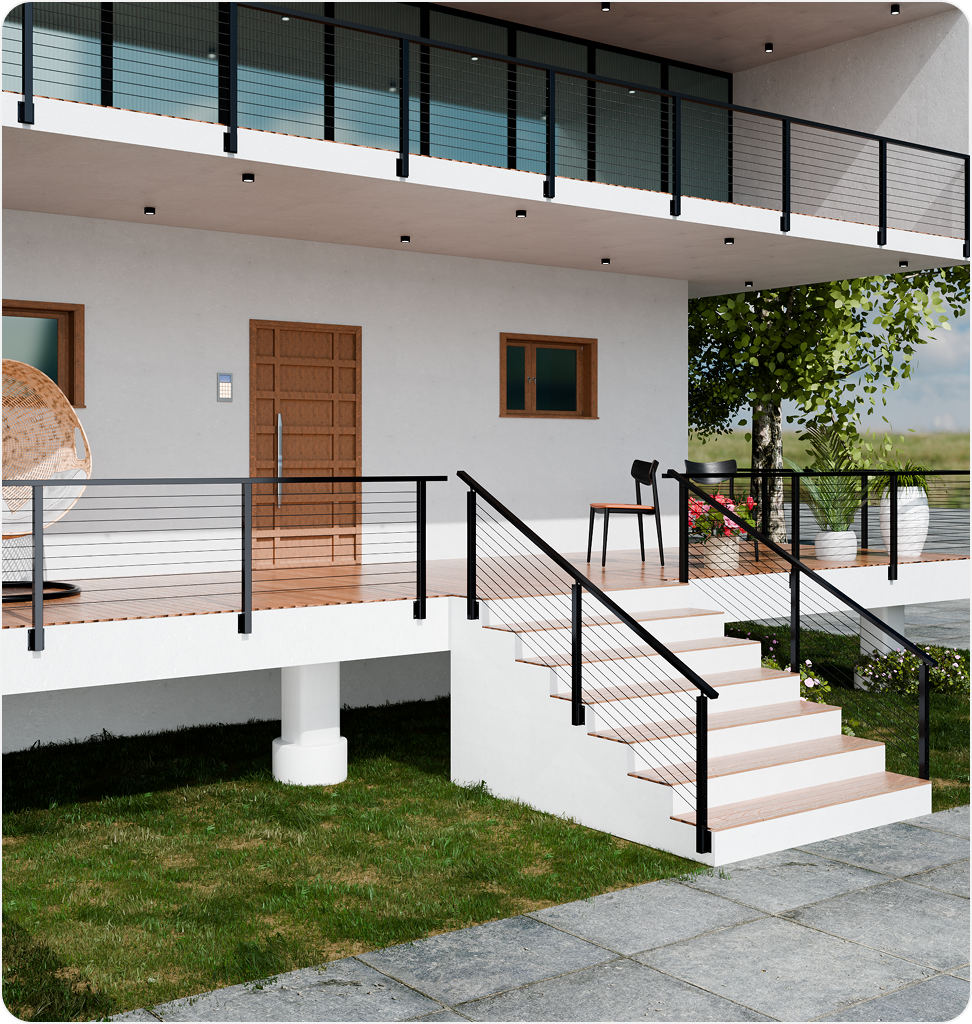
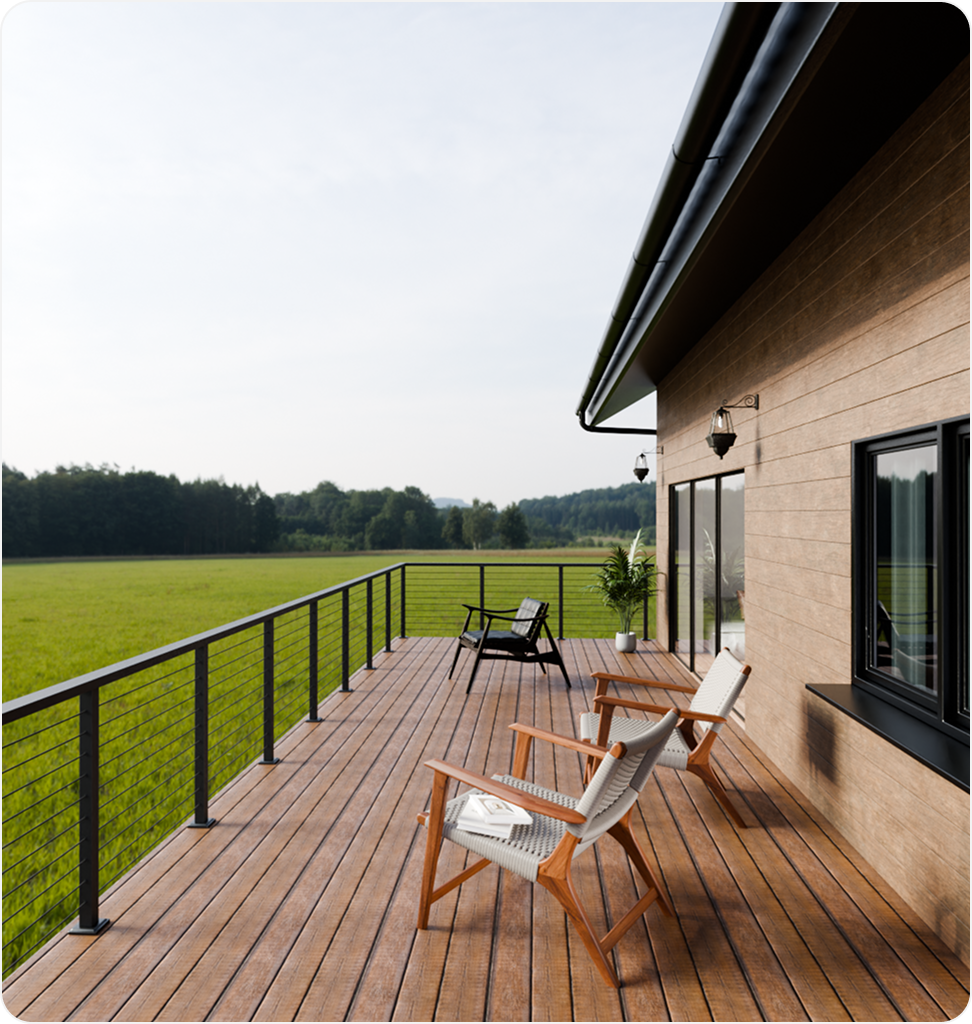
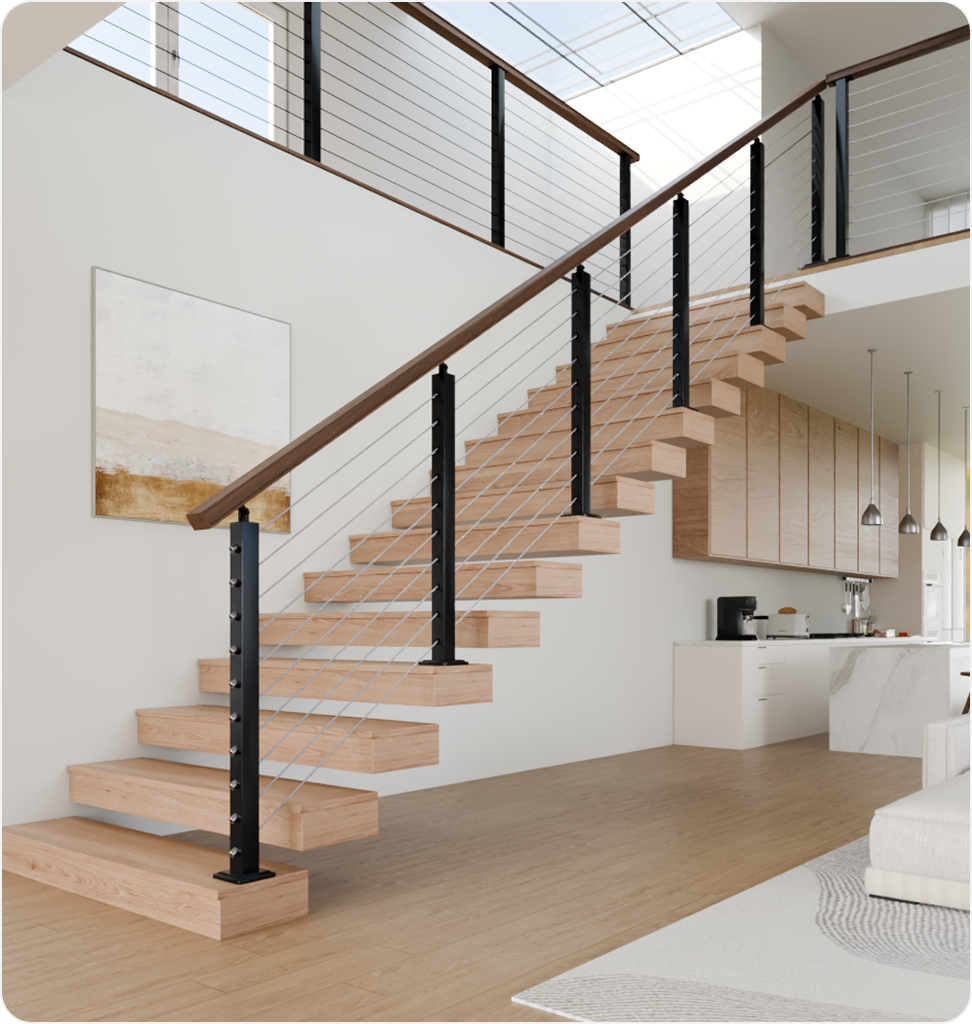
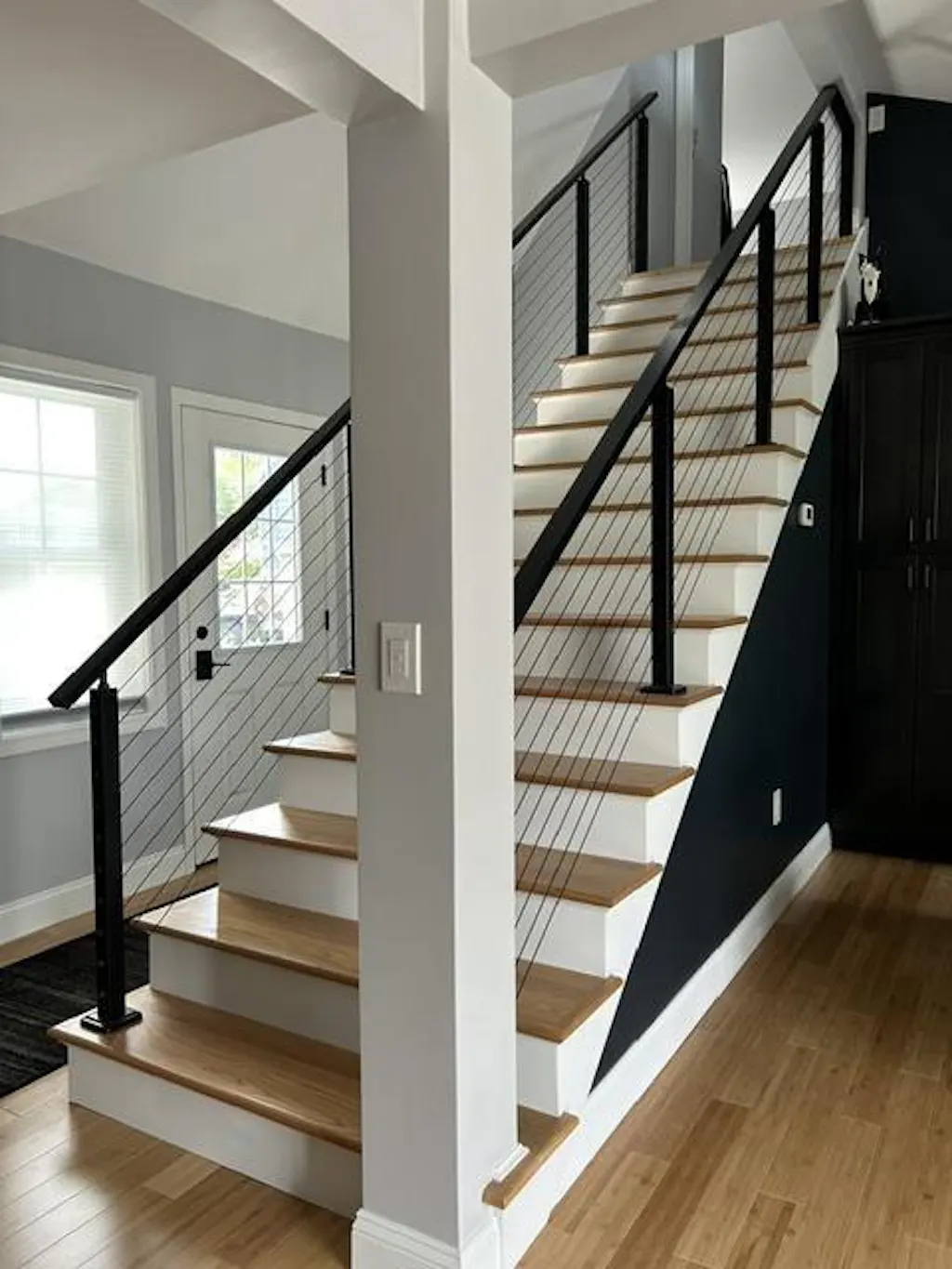
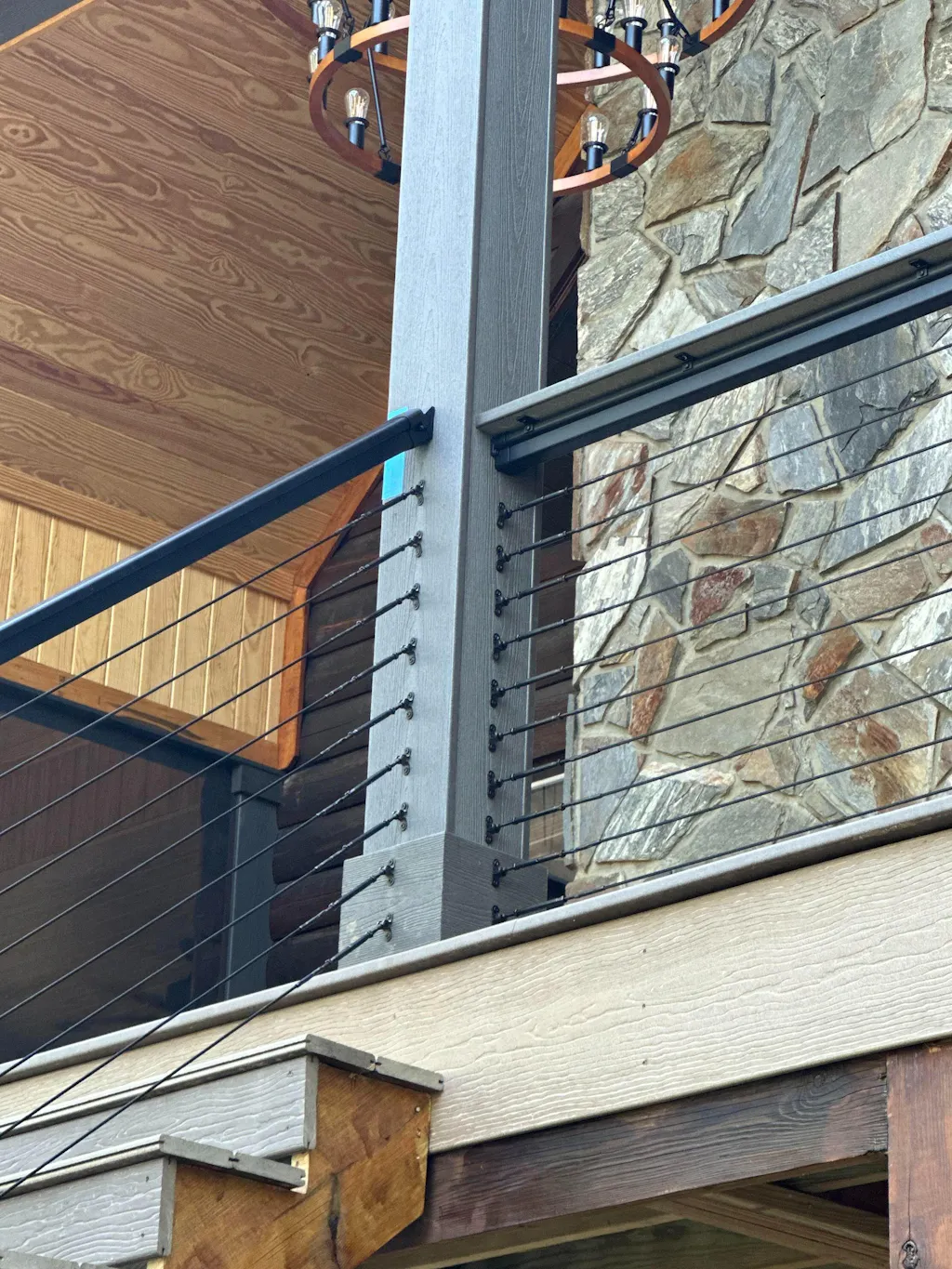
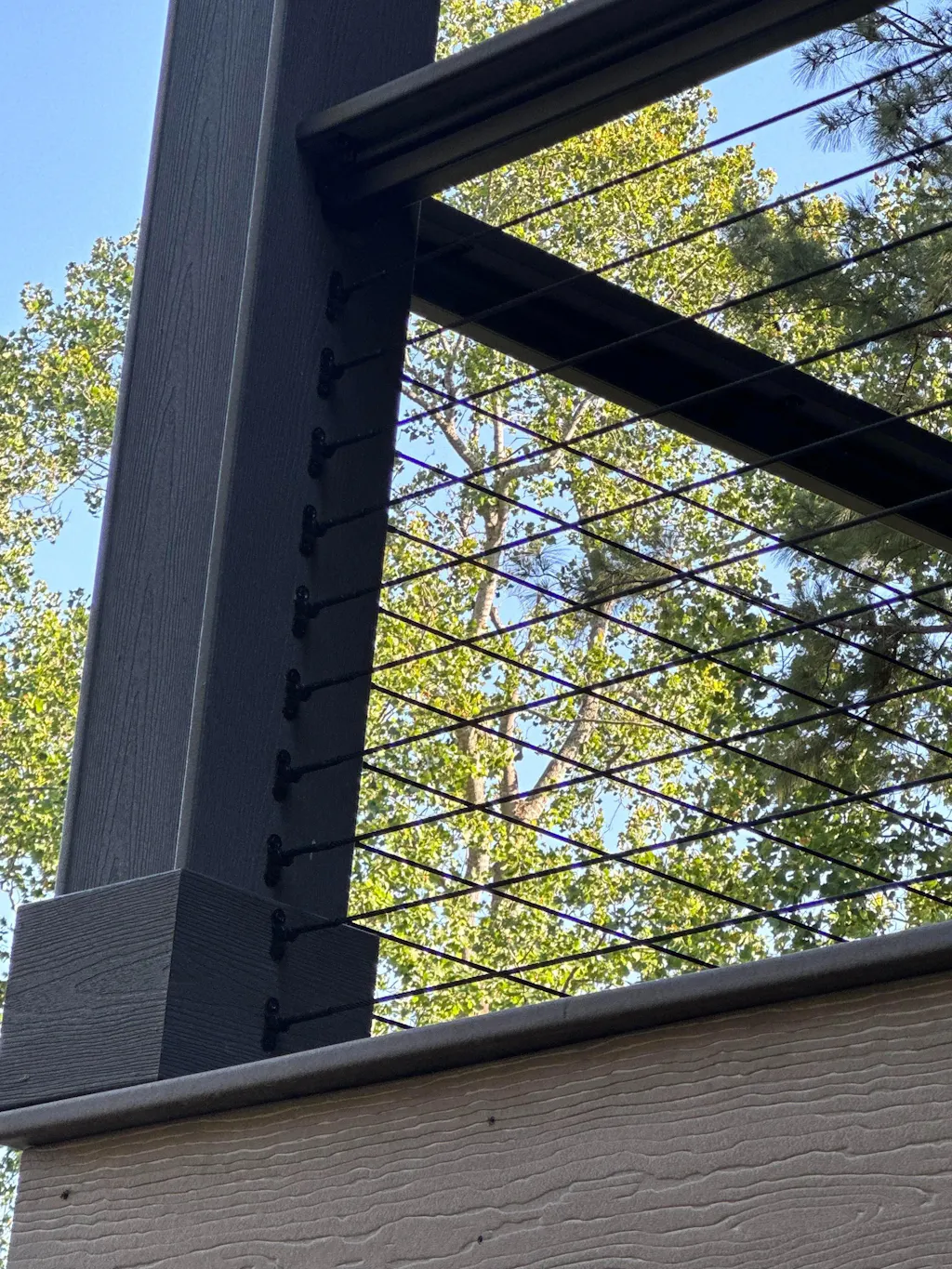
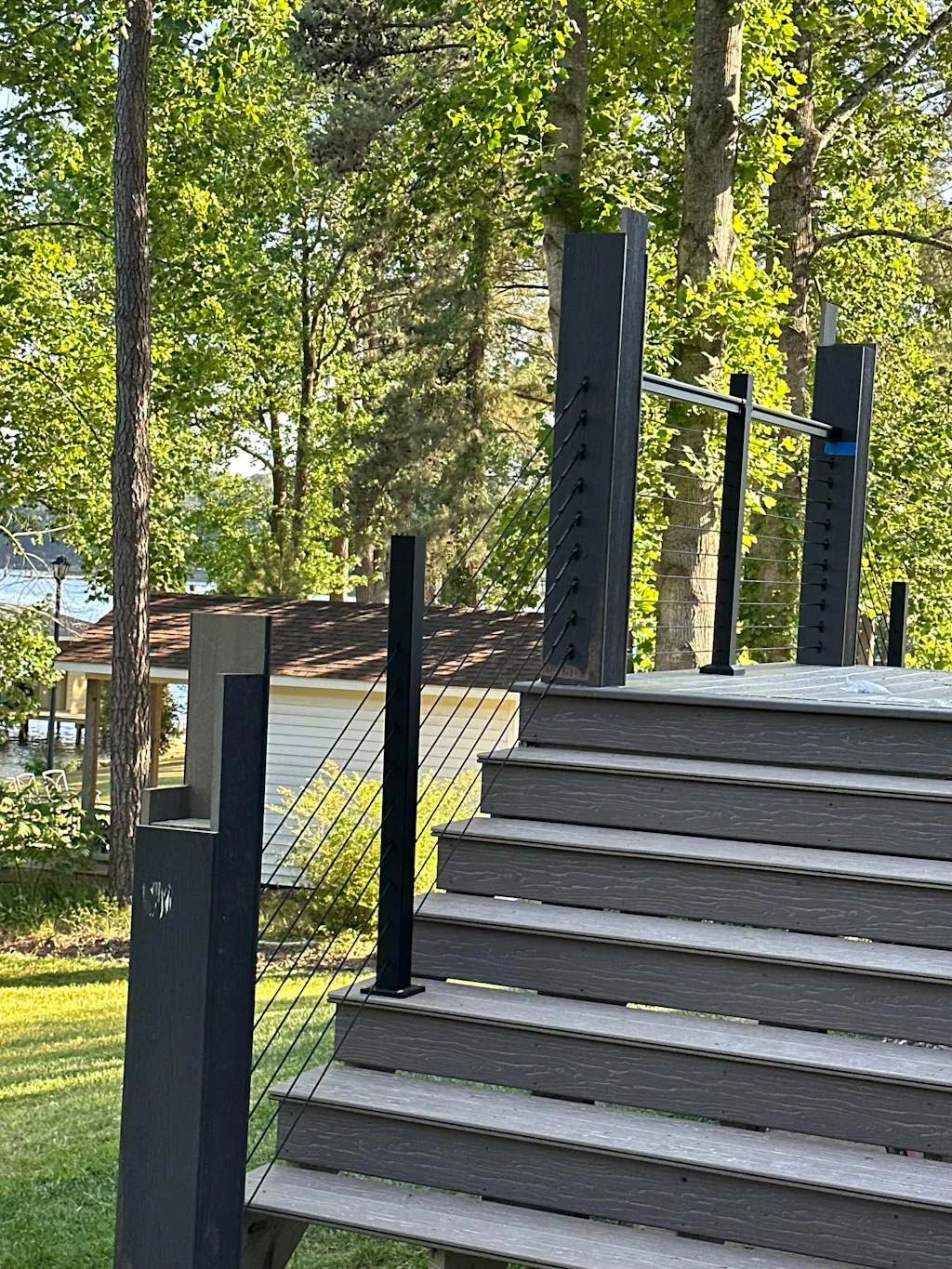
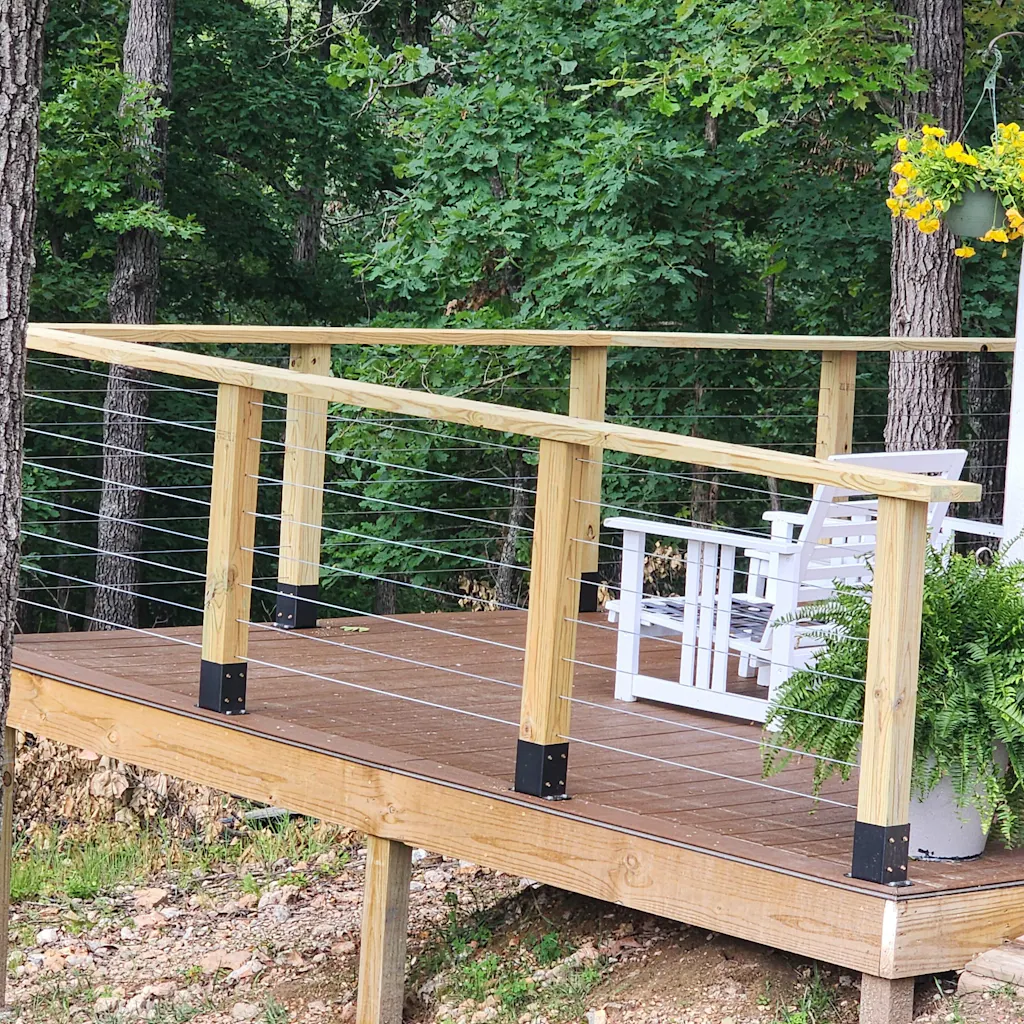
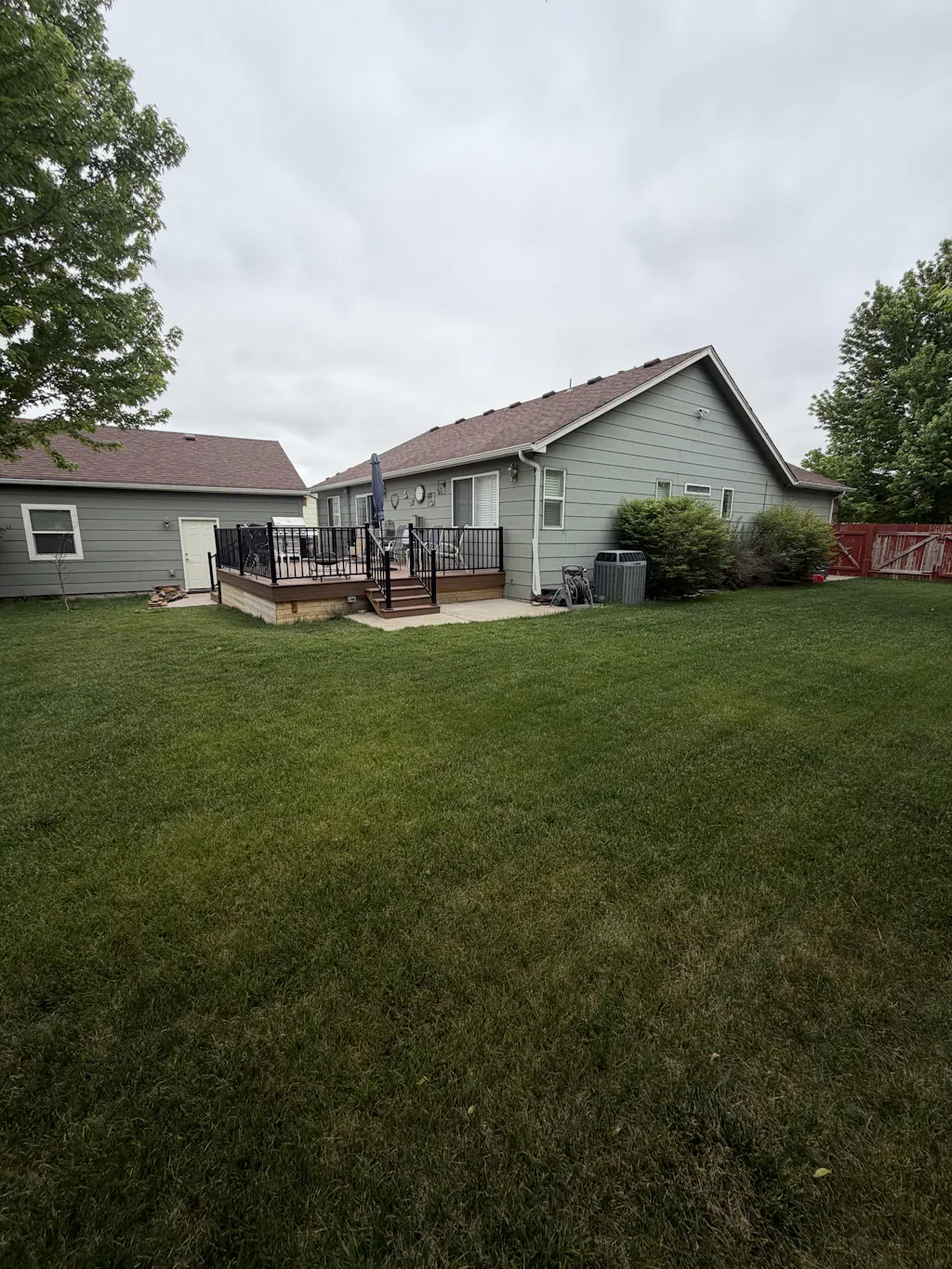
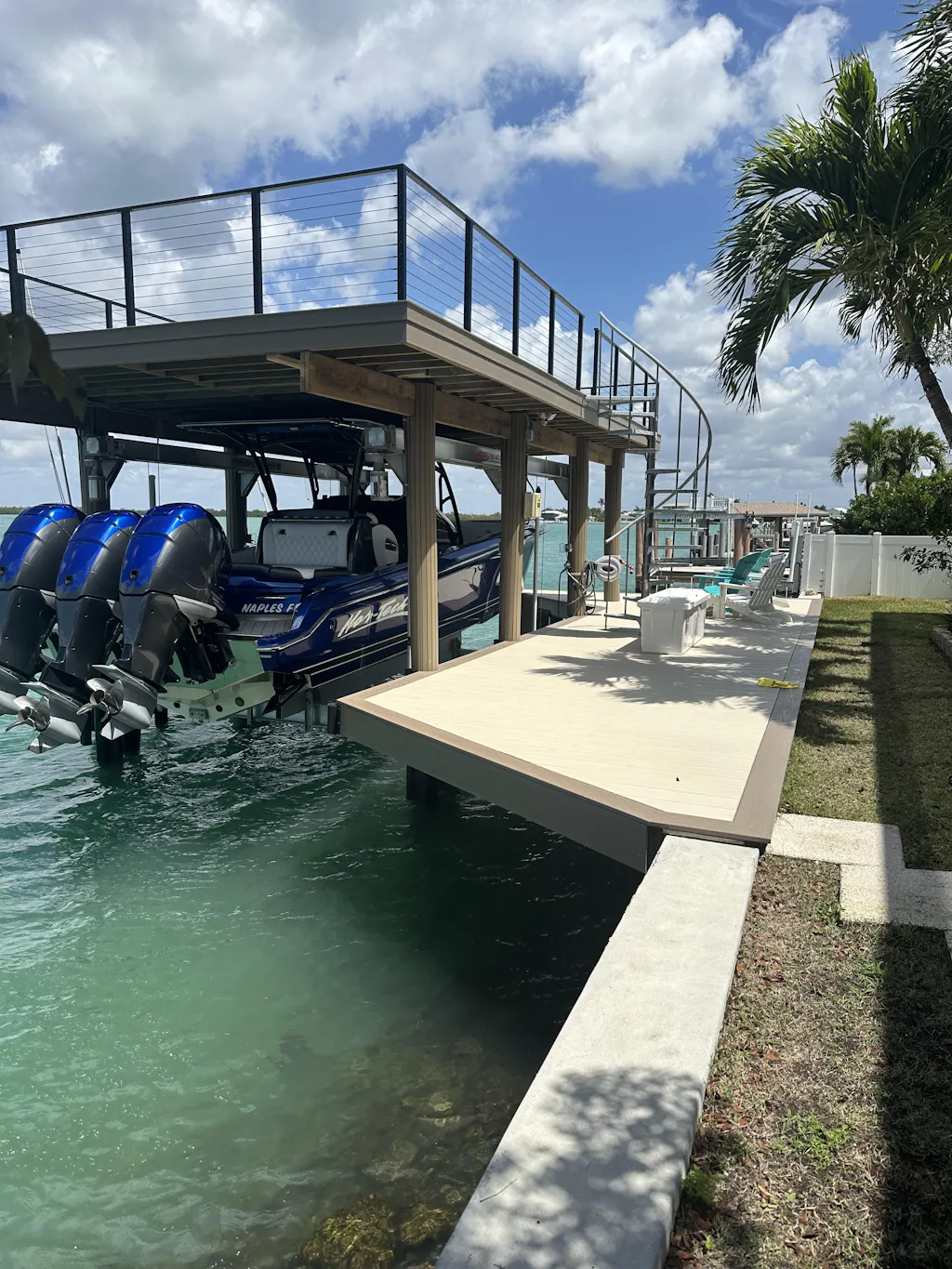
Stainless steel cable wire ropes offer superior corrosion resistance and long-term durability compared to other types of wire ropes. Designed specifically for harsh outdoor and high-exposure environments, these cables effectively resist rust, corrosion, and wear, requiring virtually no maintenance. This makes them an ideal choice for deck, stair, and balcony cable railing systems. They are also frequently used in marine, industrial, and construction applications where strength, safety, and long-lasting performance are critical.
Material: 304 vs 316 Stainless Steel?
304 stainless steel wire rope offers good strength and corrosion resistance, making it suitable for indoor use, covered patios, and other low-exposure environments. It is a cost-effective option for general applications. However, it is not recommended for marine or high-salt environments, as it is prone to rusting when exposed to seawater or coastal conditions.
316 stainless steel wire rope (marine grade) contains molybdenum, providing exceptional corrosion resistance. It is suitable for use in coastal areas, around swimming pools, or for year-round outdoor use. We recommend using 316 stainless steel wire rope for any outdoor cable railings.
Diameter: 1/8″ vs 3/16″
It depends on the look and load-bearing capacity you need.
1/8" stainless steel wire rope is the go-to choice for most residential projects. It is sleek, lightweight, and blends seamlessly into the background to create an "invisible," minimalist look.
3/16" stainless steel wire rope is thicker, provides double the breaking strength, and offers a bold, heavy-duty aesthetic. It is perfect for commercial spaces, long balcony spans, or any project that demands maximum security.
Construction: 1x19, 7x7, or 7x19?
1x19: The stiffest and most rigid option, barely stretching over time while offering the smoothest surface finish. If your railing consists mostly of straight runs, 1x19 is a no-brainer.
7x7 or 7x19: Highly flexible, ideal for corners and layouts with bends, making installation easier without compromising strength.